

How 3D Printing Can Help Bring NEOM’s Vision to Reality?
%20(1).jpg)

Some projects feel so ambitious that they almost sound like science fiction. NEOM is one of those projects.
Imagine designing an entire city from scratch. A place built around advanced technology, renewable energy, and futuristic architecture. That is the promise behind NEOM, the massive development planned in Saudi Arabia.
But turning such an ambitious vision into reality takes more than bold ideas. Architects, engineers, and planners need tools that allow them to test complex designs, visualize large structures, and refine their ideas before construction even begins.
This is where 3D printing begins to play an important role. Technologies like industrial 3d printing are helping design teams explore new possibilities. From detailed prototypes to large architectural models, 3D printing is becoming an important part of how futuristic cities are imagined and planned.
How Can 3D Printing Help Bring NEOM’s Vision to Reality?
Large scale projects like NEOM involve complex architecture and massive planning. Technologies such as large format 3d printing dubai allow architects and engineers to create detailed models, test design concepts, and visualize futuristic cities. This makes it easier to refine ideas before construction begins.
What Is NEOM and Why Is It One of the World’s Most Ambitious Projects?
Imagine a city designed for the future. A place where technology, sustainability, and innovation shape how people live and work.
That is the idea behind NEOM.
NEOM is a planned mega development in Saudi Arabia that aims to redefine urban living. The project includes futuristic concepts such as The Line, a long linear city designed without traditional roads, and other advanced developments focused on renewable energy and smart infrastructure.
Projects of this scale require enormous planning and coordination. Designers are not just creating buildings. They are designing entire ecosystems that include transportation networks, residential districts, commercial areas, and public spaces.
To better understand the scale of NEOM, consider some of the elements involved.
• Entire urban districts planned from scratch
• Advanced renewable energy systems
• Smart infrastructure powered by digital technologies
• Innovative architectural concepts that challenge traditional design
When cities are imagined at this scale, visualizing the final outcome becomes incredibly important. This is where technologies like industrial 3d printing and architectural model making start to make a difference.
Why Do Megaprojects Like NEOM Need New Design and Manufacturing Technologies?
Large urban developments are far more complex than traditional building projects. Thousands of design decisions must be made before construction even begins.
Architects and planners need to understand how buildings interact with each other, how transportation systems flow through the city, and how people will move through different spaces.
Traditional design tools can help with digital visualization. But when a project becomes extremely large and complex, physical models become very valuable.
This is where modern manufacturing technologies step in.
With the help of industrial 3d printing, designers can quickly transform digital concepts into physical objects. A building concept can be turned into a model. A city block can be visualized as a physical structure.
This helps teams discuss ideas more effectively and refine their designs.
Some of the biggest advantages include:
• Faster development of design prototypes
• Clear visualization of complex structures
• Easier collaboration between design teams
• Ability to test and refine architectural concepts
For megaprojects like NEOM, these advantages can save time and improve decision making during the planning stage.
How Can 3D Printing Support Large Scale Architecture and Construction Projects?
Architecture has always relied on models. Long before computers, architects built miniature versions of buildings to explore design ideas.
Today, that process has become far more advanced.
With 3D printing, architects can produce detailed structures directly from digital design files. This allows them to explore shapes and structures that might be difficult to build using traditional model making techniques.
Large development projects benefit greatly from this approach because entire sections of a city can be visualized in physical form.
Examples of how 3D printing supports architecture projects
• Concept models for new buildings
• Urban planning models for entire districts
• Structural prototypes for complex designs
• Design testing for innovative building shapes
Instead of spending weeks building a model by hand, a design team can now produce highly detailed models much faster using industrial 3d printing technology.
This helps architects focus more on creativity and design exploration.
How Does Architectural Model Making Help Visualize Futuristic Cities?
When a project is as ambitious as NEOM, it is not always easy to imagine how everything will come together.
Digital renderings are useful, but physical models offer something different. They allow designers, investors, and planners to see the project from a real world perspective.
This is why architectural model making remains such an important part of modern design.
A physical model allows teams to step back and see how different elements of a city interact with one another. It becomes easier to understand the scale of buildings, the layout of streets, and the relationship between different spaces.
Today, 3D printing is making this process faster and more precise.
Traditional Model Making
• Often built by hand
• Can take weeks to complete
• Limited complexity
• Difficult to modify
3D Printed Model Making
• Produced directly from digital models
• Faster production process
• Complex shapes easily produced
• Digital models can be updated easily
Because of these advantages, architectural model making supported by 3D printing has become an important tool for large development projects.
How Is Large Format 3D Printing Supporting Innovation in the Middle East?
Across the Middle East, architecture and design projects are becoming increasingly ambitious. Cities are investing in new technologies that allow designers to experiment with bold ideas.
This is where large format 3d printing services are starting to play an important role.
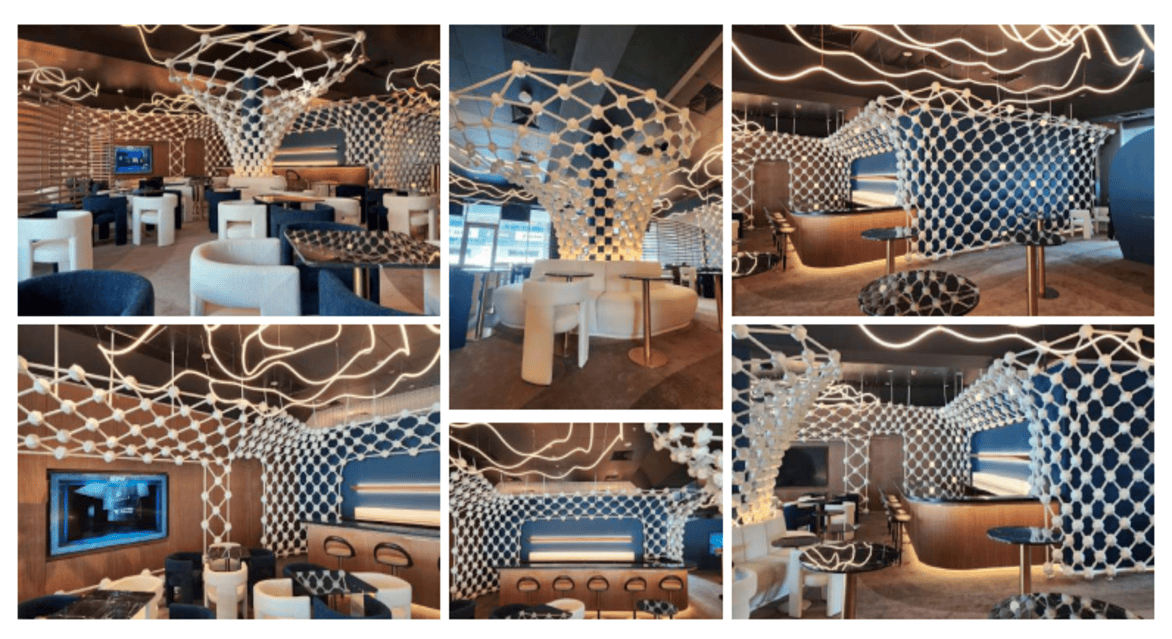
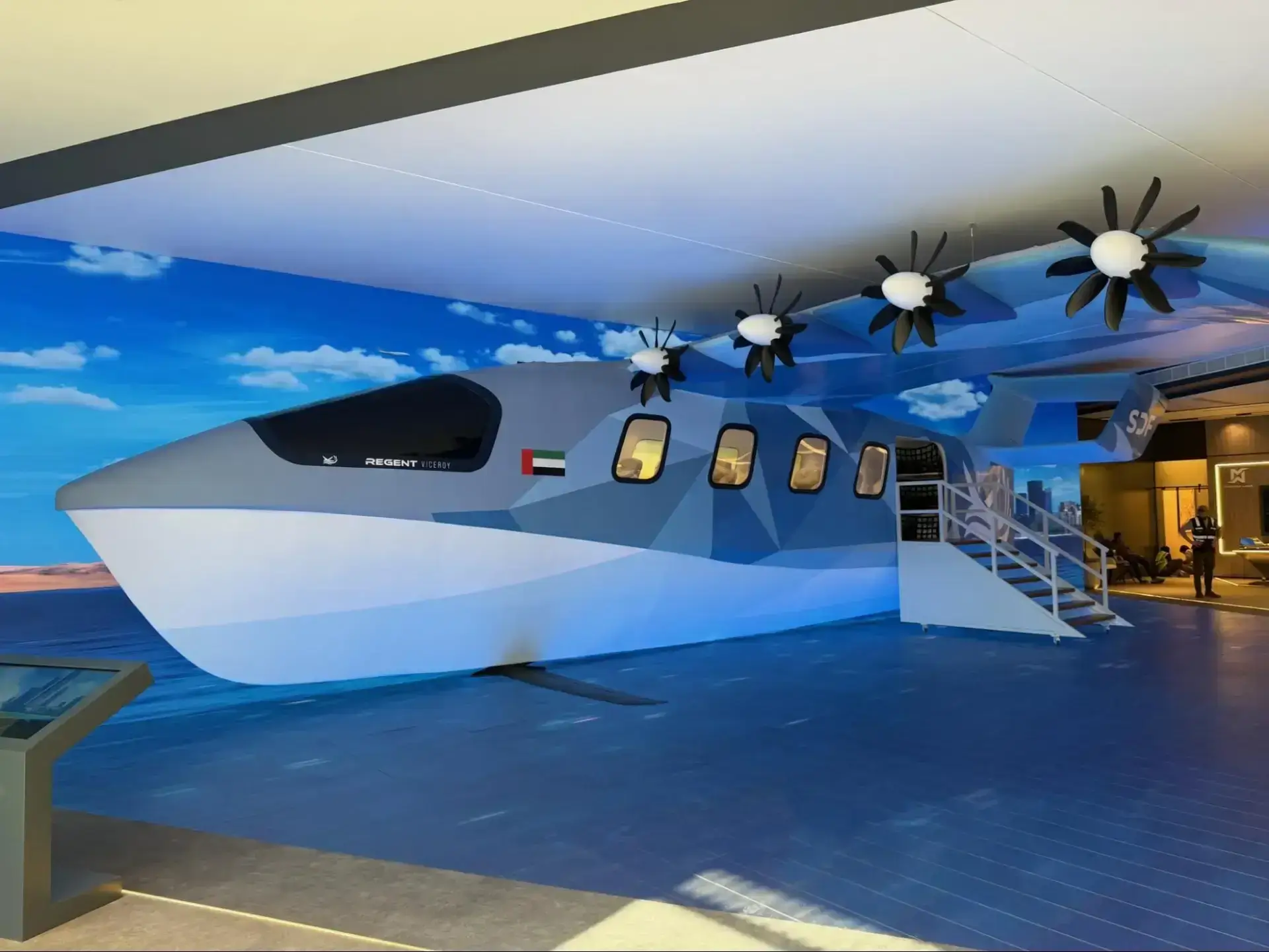
Large scale 3D printers can produce bigger structures and models than traditional desktop printers. This allows architects to build large prototypes, architectural installations, and urban planning models with greater detail.
For projects like NEOM, this capability can support many different stages of development.
Applications of large format 3D printing in architecture
• Large architectural prototypes
• Detailed city planning models
• Experimental building structures
• Design installations and concept structures
As more architects and developers explore these possibilities, technologies such as large format 3d printing services are becoming valuable tools for design innovation across the region.
Design teams interested in large scale additive manufacturing can explore large size 3d printing solutions designed for architectural and industrial applications.
Conclusion
Projects like NEOM show how architecture and technology are beginning to reshape the way cities are designed. Creating a futuristic city requires more than imagination. It requires tools that help designers explore complex ideas before construction begins.
Technologies such as industrial 3d printing are helping architects visualize new possibilities and refine ambitious designs. Through advanced architectural model making, teams can better understand how buildings, infrastructure, and public spaces will come together.
As design projects across the Middle East continue to grow in scale and complexity, solutions such as large format 3d printing are becoming increasingly valuable for architects and developers.
At Proto21 3D Printing LLC we support this innovation by providing advanced additive manufacturing solutions that help transform complex design concepts into precise models and prototypes.
Frequently Asked Questions
1. What is large format 3d printing and how is it used in architecture?
Large format 3D printing refers to the use of large scale printers that can produce bigger structures, prototypes, and models. In architecture, it is often used to create detailed building models, urban planning layouts, and structural prototypes. Services like large format 3d printing help architects visualize complex projects before construction begins.
2. How does industrial 3d printing support large development projects?
Large projects often involve complex structures and design challenges. Industrial 3d printing allows architects and engineers to create prototypes and test ideas quickly. Instead of relying only on digital designs, teams can produce physical models that help them understand how different parts of a project will work together.
3. Why is architectural model making still important in modern design?
Even with advanced digital tools, architectural model making remains valuable because physical models make designs easier to understand. They help architects, investors, and planners see how buildings relate to each other and how a development will look as a whole.
4. Can 3D printing really help plan futuristic cities like NEOM?
Yes, 3D printing can play an important role during the planning stage of futuristic cities. It allows design teams to build detailed models of buildings, districts, and infrastructure. Using technologies such as industrial 3d printing, architects can test new ideas and explore innovative city layouts more effectively.
5. How can architects or developers start using large format 3D printing?
Architects and developers often work with specialized providers that offer advanced additive manufacturing solutions. Companies that provide large format 3d printing services can help transform digital architectural designs into physical models, making it easier to present, refine, and develop complex projects.

.png)

.png)

.svg)