


3D Printed Interior Design: How 3D Printing Is Redefining Interiors in Dubai
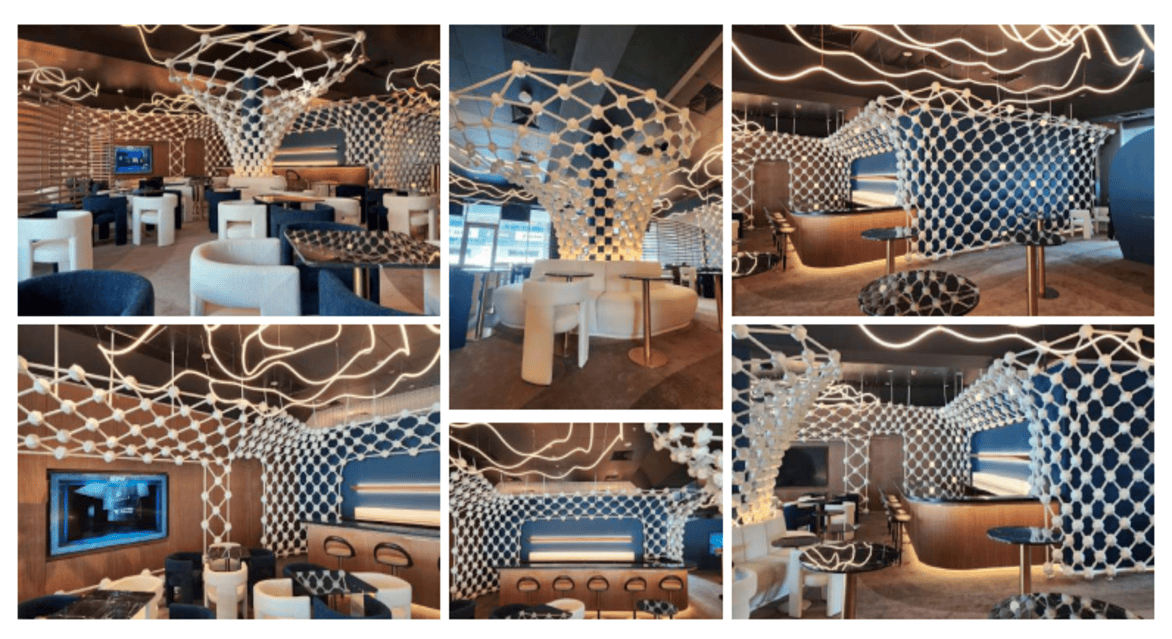

Interior design in Dubai has always been a little bold. Walk into a hotel lobby, a modern office, or a luxury apartment and you will notice it right away. Designers here like to experiment. They like spaces that feel different.
In recent years, one technology has started to influence how these interiors are created. That technology is 3D printing.
Instead of relying only on traditional manufacturing methods, designers can now create custom pieces with incredible detail. Complex wall textures, sculptural lighting, and even unique furniture can now be produced in ways that were difficult just a few years ago.
This is where 3d printed interior design is beginning to make a real impact. Designers across the city are finding new ways to create spaces that feel fresh, modern, and unique.
What Is 3D Printed Interior Design?
3d printed interior design uses additive manufacturing to create customized furniture, decorative elements, and architectural features. Designers can produce complex shapes, unique 3d printed decor, and personalized interiors using digital design and advanced manufacturing technologies.
Why Are Designers in Dubai Turning to 3D Printed Interior Design?
Dubai has always been a place where new ideas are welcomed. The city is known for ambitious architecture and creative design, so it makes sense that designers here are curious about what 3D printing can do.
One of the biggest reasons designers are exploring 3d printed interior design is customization. Clients today want interiors that feel unique. They want something designed specifically for their space rather than something taken from a catalogue.
3D printing makes that possible.
Designers can create patterns, textures, and shapes that match the exact concept of a room. A reception desk can follow the curves of the building. A wall installation can become a statement piece in a hotel lobby.
Why designers are interested in 3D printing
• Greater freedom when designing shapes and structures
• Custom pieces that match a specific interior concept
• Faster development from idea to finished product
• Easy collaboration between designers and manufacturers
• Access to new design and production technology
For creative projects, this flexibility makes a big difference.
What Interior Design Trends Are Contributing to the Rise of 3D Printed Spaces?
Interior design trends have changed quite a bit in recent years. Designers are moving away from rigid shapes and starting to explore more organic forms.
You can see this shift in many modern interiors.
Curved walls, flowing furniture shapes, and textured surfaces are becoming more common. These forms feel softer and more natural, but they can be difficult to produce using traditional manufacturing.
That is where 3d printed interior design becomes very useful.
Designers can create shapes that move and flow through a space. Patterns can grow across surfaces in interesting ways. Digital tools allow designers to experiment with complex designs, and 3D printing helps turn those designs into real objects.
Interior trends supporting 3D printed design
• Organic shapes inspired by nature
• Curved and fluid architectural forms
• Parametric and digitally generated patterns
• Custom installations that become focal points
• Sustainable design approaches with efficient material use
As these trends continue to grow, unique decorative elements are becoming more common in modern interiors.
How Does 3D Printing Support Unique Decor and Custom Design Elements?
Decor is often what gives a space its personality. With 3D printing, designers have far more freedom to create something original.
Instead of repeating the same decorative elements again and again, designers can develop pieces that are completely unique.
Wall panels are a great example. With 3D printing, a flat wall can turn into a textured surface that changes how light moves across the room.
Lighting is another exciting area. Sculptural light fixtures can be designed with intricate forms that cast interesting shadows and patterns.
Room dividers can also become design features instead of simple partitions.
Examples of 3D printed decor
• Textured wall panels
• Sculptural lighting fixtures
• Decorative room dividers
• Artistic ceiling installations
• Custom branded elements for retail spaces
Because every piece starts as a digital design, it can be adjusted easily. This flexibility is one of the reasons 3d printed decor is becoming popular with designers.
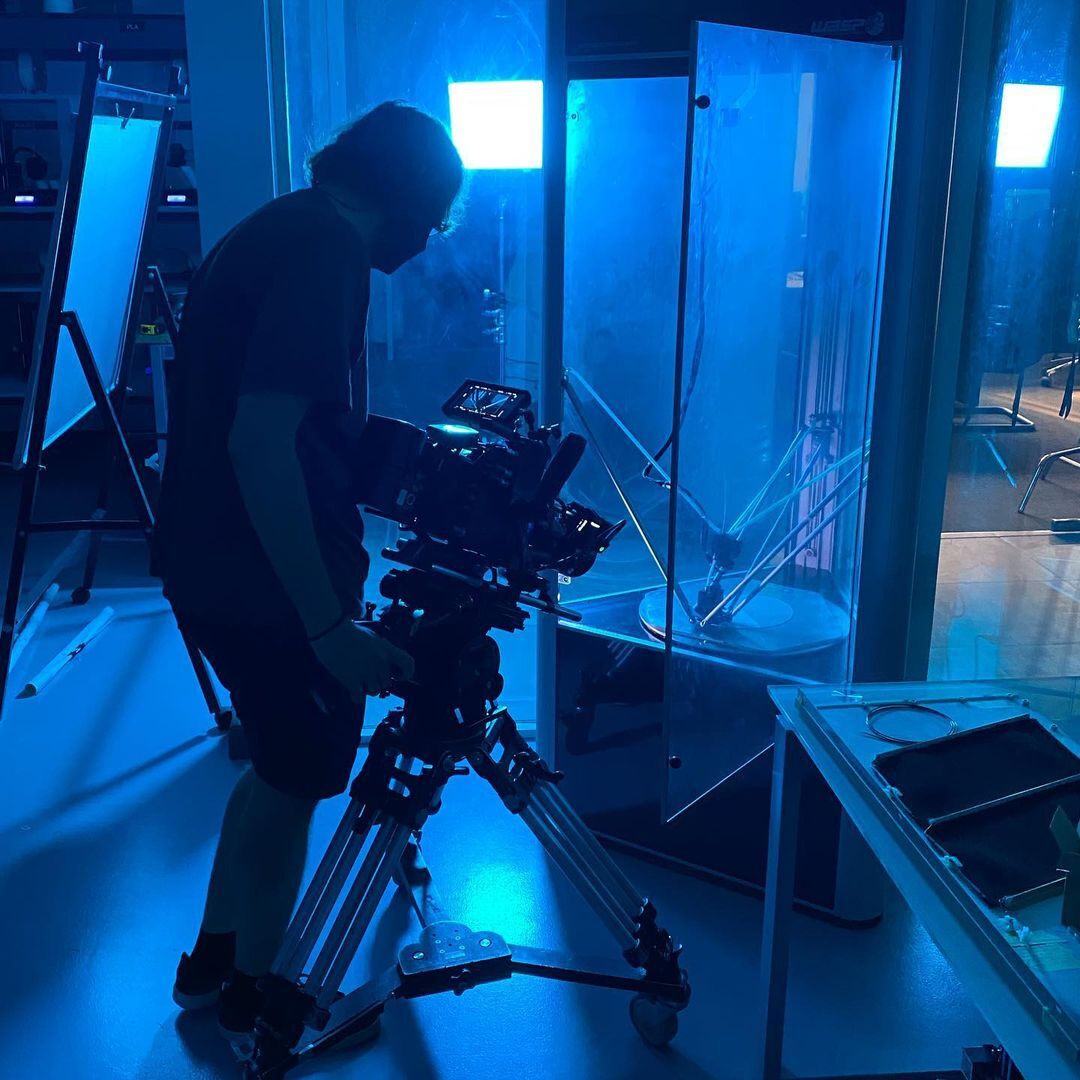
A real-world example of this can be seen in Proto21’s 3D printed installation for Emirati artist Asma Belhamar
Can 3D Printed Furniture Transform Modern Interior Spaces?
Furniture is often one of the most noticeable parts of an interior. With 3D printing, furniture design becomes far more flexible.
Designers are beginning to experiment with 3d printed furniture that looks almost sculptural. Chairs, tables, and seating elements can be designed with flowing shapes that feel both artistic and functional.
These pieces often stand out immediately in a room.
Hotels, retail stores, and modern office spaces are especially interested in this type of furniture because it helps create memorable interiors.
Another benefit is customization. Designers can adjust size, structure, and materials so the furniture fits perfectly within a specific space.
Common uses for 3D printed furniture
• Lounge chairs and seating pieces
• Custom reception desks
• Sculptural tables
• Decorative benches for public spaces
• Retail display furniture
This combination of creativity and flexibility is why 3d printed furniture is gaining attention in modern interior design.
What Are the Benefits of Using 3D Printing in Interior Design Projects?
Beyond the creative possibilities, several practical benefits are driving the recent surge in 3D printed interior designs.
Designers can experiment with complex shapes without worrying about the same limitations that come with traditional manufacturing. This allows for more imaginative designs.
3D printing also helps speed up the development process. Designers can test prototypes quickly and refine their ideas before final production.
Another advantage is material efficiency. Because objects are created layer by layer, less material is wasted during production.
The comparison below highlights some of the differences between traditional manufacturing and 3D printing.
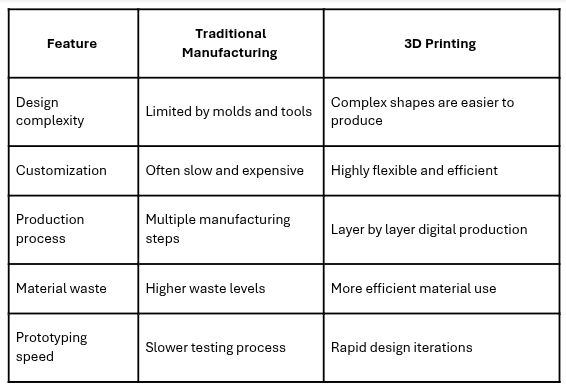
Because of these benefits, many designers are now exploring 3d printed interior design for modern projects.
How Is the Dubai Design Market Welcoming 3D Printed Interiors?
Dubai has invested heavily in innovation and advanced manufacturing. Because of this, new technologies often find their way into design and architecture quite quickly.
Interior designers in the city are starting to explore how 3d printed decor and customized architectural features can enhance modern spaces.
Hotels, retail environments, and luxury residences are all experimenting with these ideas.
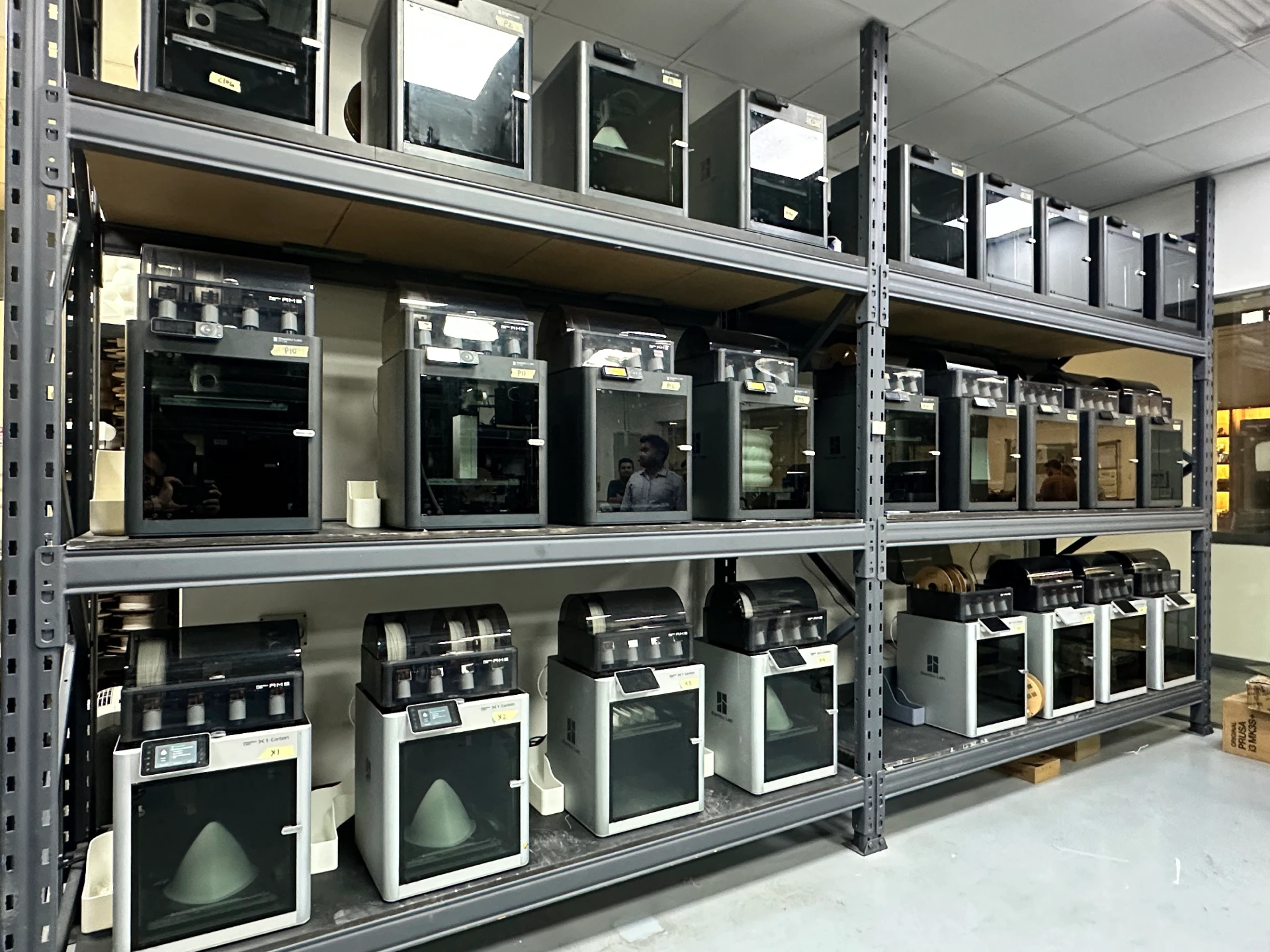
Many design studios partner with 3d printing dubai providers to bring their digital designs to life.
Industries exploring 3D printed interiors in Dubai

Designers interested in these possibilities can learn more through a professional 3d printing Dubai service page that outlines the technologies and materials available.
Conclusion
Interior design in Dubai has always been about creativity and bold ideas. Today, technologies like 3D printing are helping designers turn those ideas into reality.
With 3d printed interior design, spaces can include intricate textures, sculptural furniture, and customized decorative elements that feel completely unique. From artistic 3d printed decor to functional 3d printed furniture, the possibilities are growing every year.
As more designers explore what additive manufacturing can do, 3D printing will likely play an even bigger role in shaping modern interiors.
For architects, designers, and businesses interested in innovative design solutions, Proto21 3D Printing LLC provides advanced expertise and professional 3D printed services in Dubai to help transform creative concepts into real, functional designs.
Frequently Asked Questions
1. What is 3d printed interior design?
3d printed interior design uses 3D printing technology to create custom interior elements such as furniture, decorative panels, lighting, and architectural features. Designers first create digital models, and then those designs are produced layer by layer using advanced manufacturing technology.
2. What types of decor can be made using 3D printing?
There are many creative possibilities when it comes to 3d printed decor. Designers can create pieces that are both functional and artistic.
Some common examples include:
• Decorative wall panels
• Sculptural lighting fixtures
• Custom room dividers
• Textured wall installations
• Branded decor for retail and commercial spaces
These elements help designers create interiors that feel unique and visually interesting.
3. Is 3d printed furniture strong enough for everyday use?
Yes, 3d printed furniture can be very durable when it is designed and manufactured using the right materials and technologies. Many designs use structural patterns that make the furniture lightweight while still maintaining strength and stability for everyday use.
4. Why is 3D printing becoming popular in Dubai’s interior design industry?
Dubai is known for innovation and creative architecture, so designers are always looking for new ways to bring fresh ideas into their projects. 3d printed interior design allows designers to create customized pieces, experiment with complex shapes, and produce unique design elements with the help of advanced 3D printing services in Dubai.
5. How can designers or businesses start using 3D printing for interior projects?
Designers and businesses can collaborate with professional 3d printing service providers that specialize in additive manufacturing. These companies help turn digital concepts into physical objects, making it easier to produce customized decor, furniture, and architectural elements for modern interior spaces.

.png)

.png)

.svg)